


Painted Furniture. Part 5
Description
This section is from the book "The Practical Book Of Period Furniture", by Harold Donaldson Eberlein And Abbot McClure. Also available from Amazon: The Practical Book Of Period Furniture.
Painted Furniture. Part 5
The Empire Period
In the Empire period we frequently find, in France, England and America that paint was used as an auxiliary to the cabinet-maker's art. Chairs and tables were painted and then gilt ornament applied. The most usual form in which painted furniture at this period occurs is to be found in chairs and couches, especially of the caned variety. The top rails and cross rails of the back were not infrequently painted in colours and gilt on another ground colour with designs of musical instruments or some pseudo-classic motif. The caned couches were painted in greys and greens and light browns and then lined in black or gold and adorned with classic designs in gold. Sometimes the gold ornamentation was so lavish it is hard to distinguish the ground colour upon which it was applied.
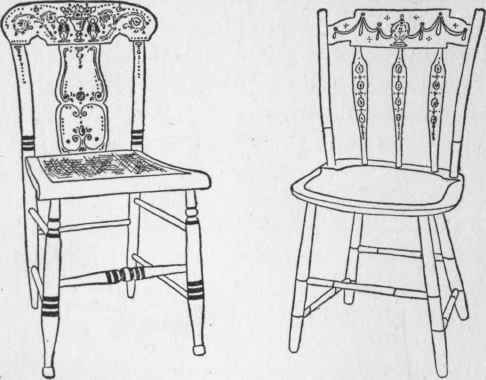
Fig. 2. Painted Chairs of Late Eighteenth Century.
American Painted Furniture
The first examples of American furniture painting are to be found in New England, where chests, hutches, and small boxes were often adorned with simple floriated or foliated designs applied either on a background of colour or upon the natural wood. Sometimes merely scrolls and waving lines were used. Painting of this sort usually dates from the seventeenth century. A simpler type of decorative painting was applied to the plain wooden chairs and settees of farmhouses and merely involved lining the turnings of legs, stretchers and back spindles with some contrasting colour to the ground work of the rest of the piece. Black lining on green, red and yellow was the usual rule.
Towards the end of the eighteenth century and in the first part of the nineteenth, the wide top rails (Fig. 2) and vertical slats of chair and settee backs were frequently adorned with stiff, conventional designs or flowers in baskets. Sometimes these were painted in black from a stencil pattern and sometimes in colours with a touch of gilding.
Continue to:


My Books

