


213. Relation Of Pasteurization Of City Milk Supplies To Incidence Of Infantile Scurvy
Description
This section is from the book "The Newer Knowledge Of Nutrition", by Elmer Verner McCollum. Also available from Amazon: The Newer Knowledge of Nutrition: The Use of Food for the Preservation of Vitality and Health.
213. Relation Of Pasteurization Of City Milk Supplies To Incidence Of Infantile Scurvy
Underwood, in 1793, was the first to use cow's milk as a food for infants in his practice as a midwife (52). About the middle of the nineteenth century the manufacture and sale of proprietary foods began to prosper and with this business, doubtless there was a pronounced increase in infantile scurvy. The development of the science of bacteriology led to the discovery that typhoid fever, bovine tuberculosis, scarlet fever, septic sore throat and other diseases might be borne by milk, and city health officers began a campaign for the pasteurization of the milk supplies of cities. While this practice protected the adult members of the population against the epidemics which had been shown to follow milk routes, it was a calamity to a large part of the infant life of cities. Milk which was pasteurized was deficient in the antiscorbutic substance, and the incidence of scurvy among infants tended to increase as the artificial feeding of infants came more and more into vogue. Only through the researches of the last decade, has this danger to infants become fully understood, and the means of correcting this tragic error discovered. In this phase of nutrition investigation, we have another example of animal experimentation contributing a great blessing upon the human race, for without the guinea pig, and systematic experimental studies, years or decades would certainly have passed away before the amount of progress which has been attained even during the past five years could have been achieved. Thenceforward we may confidently look for the protection of babies, soldiers, explorers, and prisoners, as well as the general population, against this distressing malady.
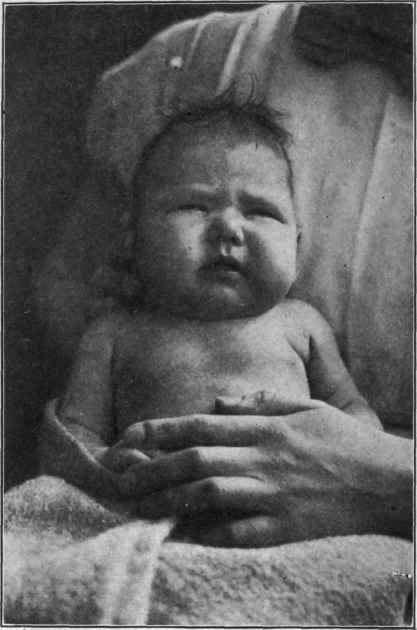
Fig. 10. - .Shows edema in a baby fed too largely on skim milk and cereal foods. This condition is frequently associated with incipient ophthalmia of dietary origin. - Courtesy of Dr. Bloch.
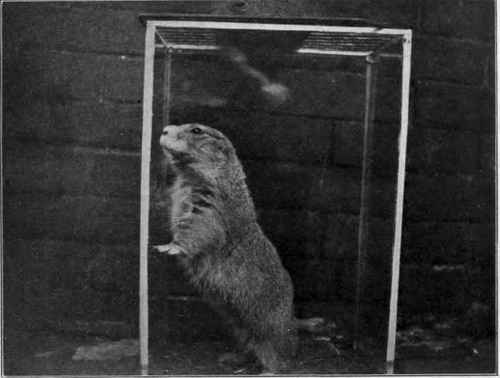
Fig. 9. - Illustrates the appearance of a young prairie dog born of animals brought from New Mexico. After weaning time it lived entirely upon a diet which would produce severe scurvy in a guinea pig in fifteen to thirty days and death within a short time thereafter. It grew in what appeared to be a normal manner, and presented the appearance of perfect health, was playful and extremely fond of attention from those in the laboratory. It showed no evidence of developing scurvy while growing rapidly during over six months and during two succeeding months when he did not grow.
Continue to:


My Books

