


Caulophyllum
Description
This section is from the book "The Standard Cyclopedia Of Horticulture Vol2", by L. H. Bailey. See also: Western Garden Book: More than 8,000 Plants - The Right Plants for Your Climate - Tips from Western Garden Experts.
Caulophyllum
(Greek, stem-leaf). Berberi-dacese. Blue Cohosh. Two species of perennial herbs (sometimes combined with Leontice), one in E. Amer. and the other in Asia, the former sometimes removed from the woods to cult, grounds. Rhizomatous: stems erect, very smooth: If. 1, large, triternately compound and sessile: flowers small, yellow-green, panicled; sepals 6, subtended by 3 or 4 bracts; petals 6, much smaller than the sepals and appearing like glands or scales; stamens 6; ovary soon bursting, freeing the 2 ovules which develop into depressed-globular berry-like seeds (without pericarp). C. thalictrioides, Michx., Fig. 846, is the American species, a smooth or glaucous plant of rich woods from Canada south, 2-2 1/2 ft. high. The plant is always attractive because of its trim growth and interesting habit; in Sept. and later, when the foliage is dead, the drupe-like seeds stand erect on the dry stalks and afford one of the richest and best of deep blues. L. H. B.
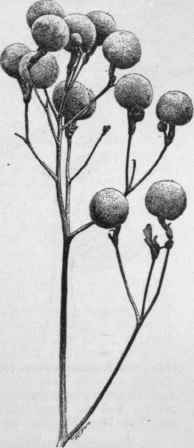
Fig. 846. Seed-berries of blue cohosh, Caulophyllum thalictrioides. (X 1/2) a. Leaves alternate. (Nos. 1-13.)
B. Margin of leaves serrate or crenate.
c. Foliage glabrous beneath or slightly pubescent.
d. Flowers white: leaves thin, deciduous. E. Peduncles slender, at the end of the new growth.
Continue to:


My Books

