


Sterilization With Permanganate
Description
This section is from the book "Beverages And Their Adulteration Origin, Composition, Manufacture, Natural, Artificial, Fermented, Distilled, Alkaloidal And Fruit Juices", by Harvey W. Wiley. Also available from Amazon: Beverages And Their Adulteration.
Sterilization With Permanganate
The polluted water according to the French method is treated with a mixture of potassium permanganate, sodium carbonate and slaked lime in equal proportions. After five minutes eight parts of anhydrous ferrous sulphate are added for each seven parts of the mixture used in the preliminary treatment. The permanganate oxidizes the organic matter and destroys microorganisms, the sodium carbonate precipitates any calcium sulphate which may occur naturally in the water and the calcium hydrate precipitates any bicarbonate of lime which may be present. On the addition of the ferrous sulphate the excess of permanganate is removed in the form of a dense precipitate. The water drawn off from the precipitate is very pure and limpid and contains only a very small amount of the sulphates of potassium and sodium. This method, when practised upon the waters of the Seine, which contained a great number of bacteria, including the colon bacillus, produced a perfectly sterile water. There is very little danger attending the use of an excess of either of the re-agents. An excess of the first precipitating mixture would impart to the finished product a noticeable pink color, while an excess of iron, due to the addition of the ferrous sulphate, would be precipitated partly by the sodium carbonate and partly from the calcium carbonate resulting from the first reaction.1
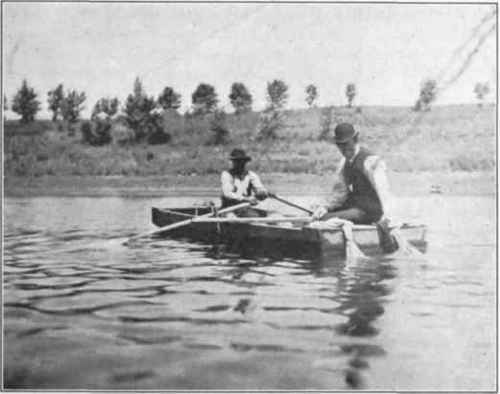
Fig. 3. Distribution of copper sulphate. (Courtesy of W. A. Taylor, Bureau of Plant Industry. U. S. Department of Agriculture.)
Typical City Water Supplies
Continue to:


My Books

