


4. Polished Black Or Polished Red. Santa Clara
Description
This section is from the book "Pueblo Crafts", by Ruth Underhill. Also available from Amazon: Pueblo Crafts.
4. Polished Black Or Polished Red. Santa Clara
Santa Clara
Colors
The slip is originally red but can be turned black if the flame is smothered as described on page 87. This pueblo uses mostly the black style.
Design
Usually the decoration comes only from the high polish given to the black surface by painstaking rubbing. On large jars, the potter may press into the soft clay a five pointed mark, commonly called the bear paw. Since 1930, women have been experimenting with designs of matte (lusterless) black on polished black like those invented at San lldefonso. They have also gone further and carved designs on platters which are fired either black or red. The depressions on the carving are painted with matte color, while the relief is polished.
Distinctive Shapes
There are an unusual number of double-mouthed jars, the two mouths connected by a strap handle. Although this form is made occasionally in the other pueblos, Santa Clara specializes in making it for sale. It is commonly known as a wedding jar and bride and groom are supposed to drink from it at the same time. The pueblo also makes clever animal figurines, which are molded with the fingers, not coiled.
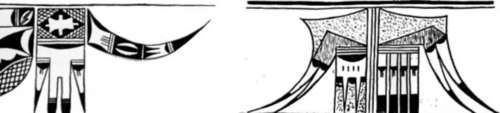
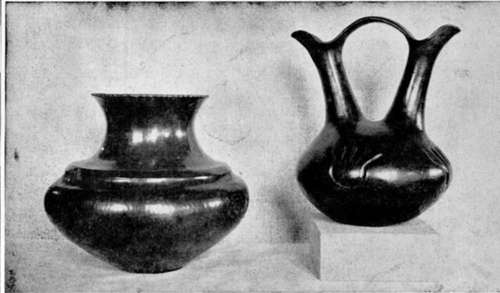
Plate IV-17. Polished black or polished red, Santa Clara.
History
The polished black is an old style in Tewa country, which has recently become popular to the exclusion of others.
For recent innovations, see page 105. ,
San Juan
Colors
The slip is originally red but can be turned black if the flame is smothered. San Juan prefers the red style. This pueblo also slips and polishes a smaller portion of the jar than Santa Clara. The slip may extend only half way down the sides or only to the shoulder, leaving a deep unpolished base. With bowls, only the interior may be slipped and polished, or only the exterior.
Design
The only decoration is little lumps of clay sometimes added to the jar to form warlike projections. (San Juan, Taos, and Picuris are the only pueblos which decorate by adding clay instead of painting. San Juan is nearest of the Tewa to these northern Tiwa and though its polished pottery is otherwise very different from their plain ware, this may be a case of influence.)
For recent innovations, see page 105.
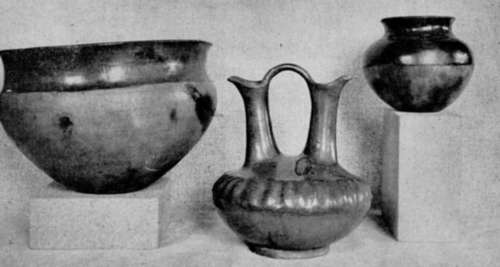
Plate IV-18. Polished black or polished red, San Juan.
San Lldefonso
Colors
The slip originally red but can be turned black if the fire is smothered while it is baking. Eighty percent of San lldefonso ware is black. On the polished surface is usually a design in the same color but without luster. This is produced by first polishing the red slip and then applying a design in paint made of pinkish gray stone. If the pot is fired red, this design appears in deeper red, if black, in luster black.
Design
The figures are usually angular and geometric. Sometimes the flowing form of the plumed serpent surrounds a bowl or plate. In some of the newer products the design is carved into the clay instead of pointed on.
Distinctive Shapes
A round platter, not used in former times, is popular among white buyers, as are small decorative jars and ash trays.
History
The dull black on polished black, although now nationally famous dates only from 1919. At that time, San lldefonso pottery was black with some red. There were a few old pieces of polished black, made by the smothering method. Maria Martinez, a skilled potter, experimented with this style and her husband Julian helped her. White specialists in Santa Fe encouraged them and they devised the dull (matte) black design in a polished background. They have demonstrated their work at museums and exhibitions all over the country. Maria now has several women to help her and they sometimes coil and polish the pots while she puts on the finishing touches. Julian applies the design, one of the few men in the pueblos to be connected with pottery making.
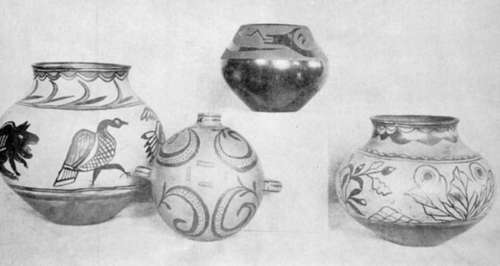
Plate IV-19. Polished black or polished red and older black on cream, San lldefonso.
For recent innovations, see page 105.
Continue to:


My Books

